Massive fuel price hike looms: South Africans urged to reduce fuel consumption
3 min read
01 April 2026
Stay safe online. Now more than ever it’s important to be cybersafe. See Santam’s tips to help you stay safe online. Learn more.
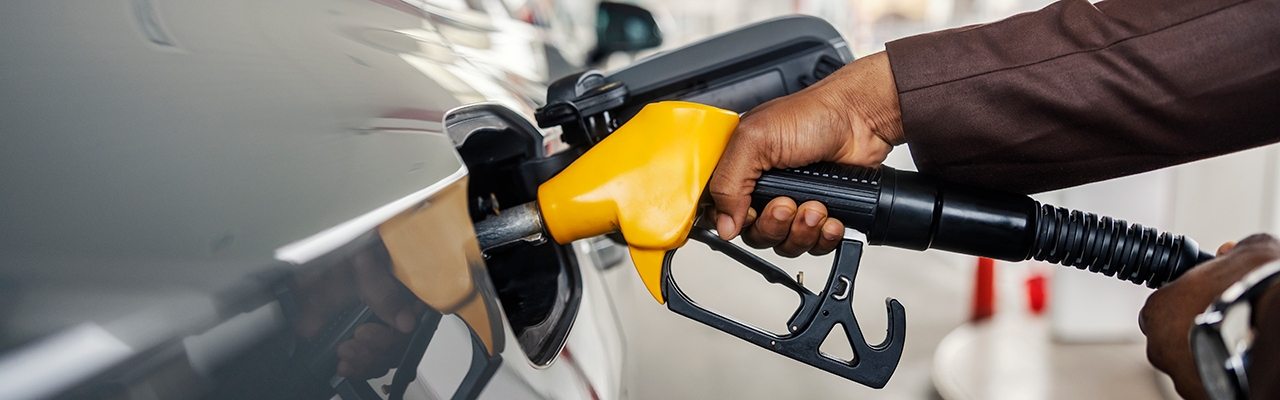
Conflict in the Middle East has triggered one of the largest oil supply disruption in history, and South African motorists could face a resultant petrol price increase this month, despite government intervention to cushion consumers.
To mitigate the impact, the government is urging motorists to reduce their consumption wherever possible.
Commenting on this is Marius Kemp, Head of Personal Lines Underwriting at Santam, who says that this unprecedented increase means motorists will be squeezed even tighter. “While government has assured the public that we are not yet in a fuel crisis, they have also urged motorists to avoid hoarding fuel, as well as to take steps to reduce consumption in an effort to conserve reserves,” says Kemp.
"There are steps that South Africans can take to try to insulate themselves from some of the impact."
Firstly, Kemp says that adopting good driving hygiene reduces petrol consumption. “According to the International Energy Agency (IEA), reducing speeds is one of the most effective ways of reducing consumption while driving. The IEA advise motorists to reduce their speeds on highways by at least 10km/h.
“Interestingly, during the 1973–1974 oil crisis which resulted from the Yom Kippur/October War, South Africa restricted freeway speeds to 80km/h,” says Kemp. “Reducing speeds will not only save fuel but also contribute to safer roads.”
Kemp says that carpooling is a valuable way to ease the burden on fuel reserves and save money. “It also has the added benefit of reducing your carbon footprint while relieving some of the boredom that comes with being stuck in traffic alone,” says Kemp Kemp says that Carpooling can help you offset some running costs by allowing you to share rides with people travelling in the same direction as you. “There are several benefits to carpooling, but it is important to understand the effect this can have on your car insurance,” says Kemp.
He explains that it’s key to investigate the terms and conditions that may affect the cover on your policy. “Not doing so runs the risk of cover shortfalls or your claim being denied altogether,” says Kemp. “So, it’s important to decide which carpooling setup works best for you.”
Find the best fit for you
Whichever carpooling scenario you choose to save fuel during the coming months, Kemp says that it’s important to let your insurer know if anything changes in your regular driving set-up as this can affect insurance claim excesses and payouts. “For example, if the designated driver of your car is not the 'regular driver' quoted in your insurance policy documents and is effectively using your vehicle the most, your claim may be negatively impacted due to additional excesses or premiums being applicable.”
Kemp cautions that if money changes hands, things can get more complicated too. “An insurer may view it as a commercial transaction, especially if the amount you're receiving exceeds what is necessary to cover petrol, maintenance, parking, etc. You would then potentially need business insurance or a special permit if you transport children or more than 12 people at a time.”
Kemp concludes that keeping your insurer in the loop is paramount as we weather this price hike storm. “Taking steps to reduce your fuel consumption – such as a carpool – is admirable but make sure you do so safely and in line with your insurer’s requirements,” concludes Kemp.
Our website uses Cookies
We use functional cookies to save your quotes, and analytics and marketing cookies to help personalize content for a better experience. By clicking “accept”, you agree to the terms of our Cookies Policy.