

Chicken is the most popular meat in South Africa and fulfils a vital function for food security. According to the Industrial Development Corporation (IDC), South Africans consume 23 million chickens a week.
But not all poultry farms carry the same risks. In fact, depending on whether you’re producing eggs or meat, you can face substantially different risk profiles. Here’s what you need to know, and how you can keep your operations running smoothly even when things go wrong.
What’s the difference between broiler and layer farming?
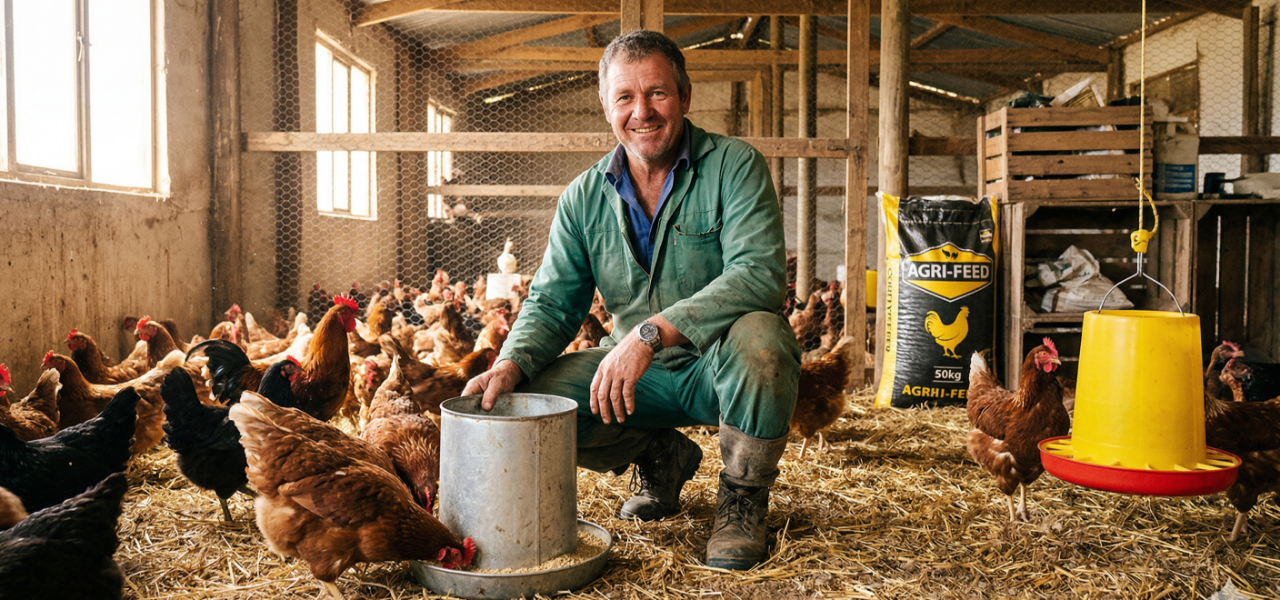
Chickens that are kept for egg-laying are known as layers or batteries. Broilers are chickens raised for meat. Farms may also keep free-range chickens, which have access to open-air spaces for feeding and exercise.
Broiler operations
Modern broiler farming consists of large sheds with multiple chickens at each site, with electronic systems for feeding, water supply, heating and cooling. Some older sheds may use coal or gas boilers for heating in winter.
Battery operations
Battery hens produce eggs for the market and may also be used for hatching eggs. They need temperature-controlled sheds which rely on a constant electricity supply. These hens are eventually sold for slaughter, with the meat being used for patties, animal feed, etc.
Why broilers and layers carry different risks
Because broiler and battery hens are raised for different purposes, these operations are set up differently. And because value is calculated differently in each case, your premium may differ.
Battery operations are particularly vulnerable to electrical fire and machinery breakdown, both of which can result in business interruption. Layer hens are insured under Santam Agriculture’s Fire section.
Broiler operations can also pose a fire risk, but because they are producing meat for consumption, they also have more complex requirements. They’re vulnerable to damage from veld fires, lightning damage, boiler explosions and electrical fires. These operations are vulnerable to disease, and if there is an abattoir or butchery on premises, that introduces additional risk.
How to manage poultry farming risks
Poultry operations are often complex and highly dependent on machines and equipment. You will need back-up power in case of loadshedding or other interruptions, but the type of systems you install will differ depending on whether you have broiler or battery hens, the size of your operation, and whether you have free-range livestock.
- Back-up power generators must be regularly tested, maintained, and serviced.
- Annual inspections of electrical systems, machinery and equipment will prevent downtime and lower fire risk.
- Clearing flammable material from the vicinity will reduce the risk of veld fires.
- Disease and sickness are not insured. If disease is found, broilers may be shut down for quarantine.
If you have your own abattoir or butchery on premises, your cold rooms also increase your risk. Cold rooms, cooling equipment, and electrical systems need to be regularly inspected - including cooling systems for trucks.
Why one-size-fits-all farmer insurance doesn’t work
The business contracts you have in place will help determine the cover you need. For instance, if you have a contract that specifies you need to deliver a certain amount for each period, you may need liability cover to protect you if you can’t meet that.
Depending on your risk profile, you may need cover for:
- Fire
- Business all risks
- Machinery breakdown
- Business interruption cover, with broiler chickens specifically insured under this section for the duration of the first cycle
- Electronic equipment
- Public liability
- Goods in transit
- Asset insurance
By working with an experienced agriculture insurance partner such as Santam, you get an intermediary who understands the risks you face and can help you with cover that’s appropriate for your situation. Contact us today for an obligation-free quote.